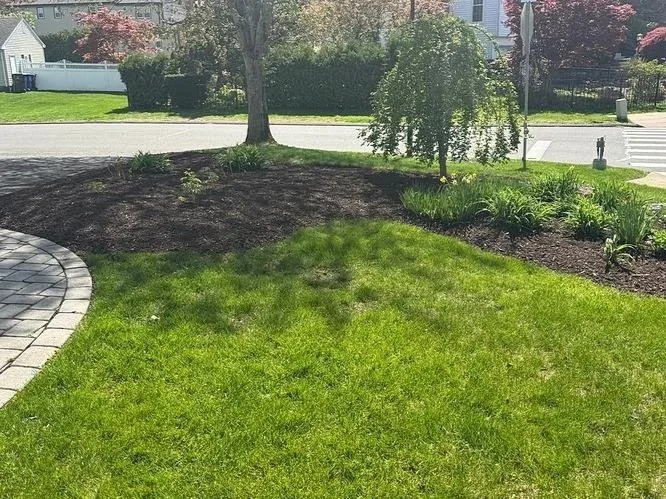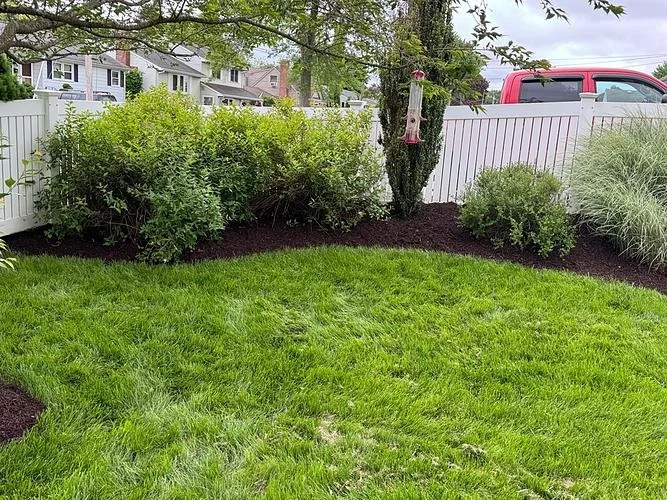
Landscape Design That Pays Off: Maximizing Your Property’s Value

When it comes to luxury real estate, first impressions aren’t just lasting—they’re valuable. Thoughtfully designed landscaping does more than beautify a home; it transforms your entire property into a high-end, livable work of art. At Birch Hill Landscape, we specialize in creating outdoor spaces that not only reflect your lifestyle but also significantly increase your home’s resale value.

Below, we explore how sophisticated landscape architecture can deliver exceptional return on investment (ROI), add curb appeal, and turn your outdoor environment into one of your home’s most lucrative features.

The ROI of Thoughtful Landscape Design

According to a study from the National Association of Realtors, high-quality landscape design can boost property value by up to 15%. But not all landscaping is created equal. For luxury homeowners, simple garden beds and standard paver patios don’t cut it.

A well-executed landscape plan considers aesthetics, functionality, and long-term usability. It’s not just about greenery—it's about architectural harmony, material selection, and experiential design. Premium materials, cohesive layouts, and professional landscape architecture create a sense of timeless elegance that buyers in the high-end market expect.

By investing in custom landscaping from a reputable firm like Birch Hill, you’re investing in a tangible asset that delivers both lifestyle enhancements and financial returns.

Features That Command Top Dollar

When it comes to increasing property value, certain landscape features stand out. These elements not only attract prospective buyers but also elevate the luxury appeal of your home:

Custom Outdoor Living Spaces

Custom-built kitchens, shaded pergolas, dining terraces, and fire features create inviting spaces for entertainment and relaxation. Outdoor spaces essentially expand your home’s livable footprint.

High-End Hardscaping

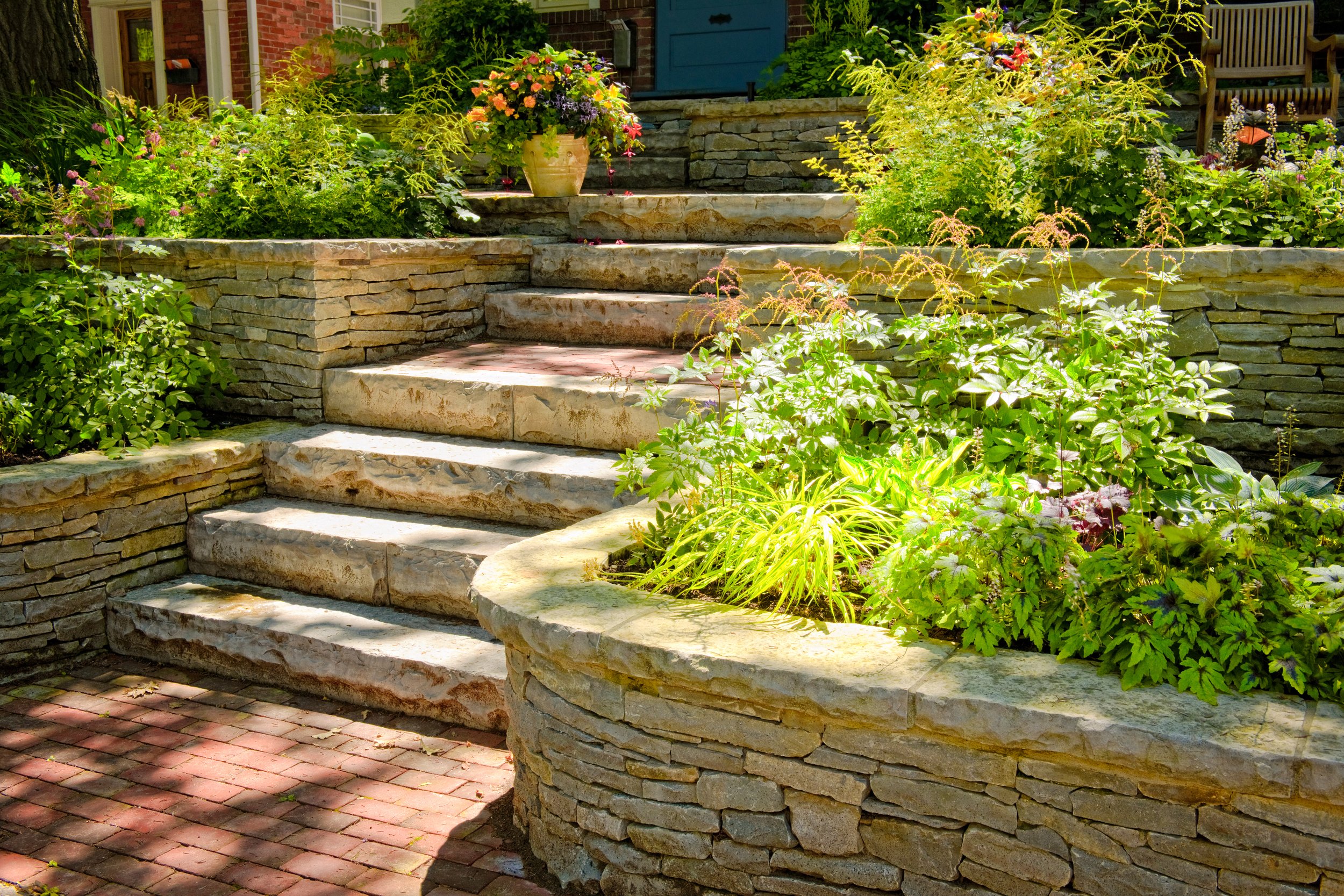
Brick and paver walkways, terraced retaining walls, and water features crafted from premium materials signal durability and attention to detail—key attributes in high-value homes.

Smart Technology Integration

Automated irrigation systems, smart outdoor lighting, and remote-controlled water features add convenience and efficiency, increasing both appeal and property valuation.

Eco-Conscious Planting Plans

Native plant selections and drought-tolerant gardens create a sustainable landscape that’s beautiful and low-maintenance. For environmentally minded buyers, this is a major plus.

Year-Round Visual Interest

By combining evergreen structures, seasonal blooms, and textural variety, your landscape remains vibrant and captivating throughout the year, adding continuous visual and emotional value.

Landscape Architecture as an Extension of the Home

True luxury landscaping isn’t an add-on—it’s an extension of the home’s architectural identity. A professionally designed landscape should echo the style, geometry, and mood of your interior space.

At Birch Hill, our landscape designers collaborate closely with homeowners and builders to create harmony between indoor and outdoor environments. Whether it's aligning sightlines from the living room to a reflecting pool or matching patio stone to interior flooring, every detail is curated to deliver a seamless, elegant experience.

Low-Stress Luxury: Protecting Your Investment with Full-Service Maintenance

High-end landscaping is a long-term investment, and like any valuable asset, it deserves expert care. Our full-service approach includes ongoing maintenance that preserves your property’s beauty and value without ever disrupting your lifestyle.

From seasonal pruning and pest control to lighting adjustments and irrigation audits, our team manages the fine details year-round. The result? A pristine landscape that’s always market-ready—and always enjoyable.

Your Landscape Is Your Signature

In the world of luxury real estate, your outdoor space speaks volumes. It’s the first impression, the mood-setter, the backdrop to countless memories. At Birch Hill Landscape, we help you craft that signature with precision, passion, and an unwavering commitment to excellence.

If you're ready to increase your property's value with world-class landscape architecture, contact us today for a design consultation. Your investment deserves a landscape as extraordinary as the home it surrounds. Give us a call!
Winter-Ready Plants That Survive (and Thrive) Outdoors in Connecticut

When winter rolls into Connecticut with its cold winds, bare branches, and frosty mornings, it’s easy to think the landscape has hit pause until spring. But the truth is, your yard doesn’t have to go dull in December. There are plenty of winter-hardy plants that not only survive the season, they shine in it.

Whether you’re trying to add texture, color, or just something cheerful to look at through the kitchen window, these plants can carry the visual weight when your summer favorites are fast asleep. And if you’re not quite sure where to start? That’s where we come in.

Let’s take a look at some Connecticut-friendly outdoor winter plants that bring your landscape to life, even when it’s blanketed in snow.

Evergreens That Keep the Landscape Vibrant All Winter

Evergreens are the MVPs of winter landscaping. They bring year-round structure, deep greens (and sometimes blues or golds), and keep your yard from looking empty once the leaves are gone.

Here are a few favorites that thrive in Connecticut:

  • Eastern White Pine (Pinus strobus) – Soft, flowing needles and a natural shape that adds grace, even under a dusting of snow.

  • Norway Spruce (Picea abies) – Fast-growing and tough, with classic Christmas tree vibes.

  • Eastern Red Cedar (Juniperus virginiana) – Rich green with silvery tones and berries that birds love.

  • American Holly (Ilex opaca) – Glossy leaves and red berries that pop against snow (plus, it’s native to the area).

  • Mountain Laurel (Kalmia latifolia) – Connecticut’s state flower. Beautiful all year, especially when it blooms again in late spring.

  • Rhododendron (cold-hardy varieties like PJM, Catawbiense) – Holds its leathery leaves all winter and blooms early when spring hits.

  • Boxwood (Buxus cultivars) – ‘Green Mountain’ and ‘North Star’ are compact and perfect for clean shapes or hedges.

  • Arborvitae (Thuja occidentalis) – Sturdy, column-like evergreens that work well for privacy and structure.

These evergreens keep your landscape looking alive.

Shrubs and Trees With Colorful Bark That Stand Out in Snow

When leaves fall, bark becomes the star, and it’s one of winter’s most underrated features. Certain trees and shrubs have bark that lights up against a white background.

Consider these:

  • Red Twig Dogwood (Cornus sericea) – Vibrant red stems that look stunning in the snow. Great as a focal point.

  • Yellow Twig Dogwood (Cornus sericea ‘Flaviramea’) – Like the red twig, but in bright yellow. Mix both for extra color contrast.

  • Paper Birch (Betula papyrifera) – Bright white bark that peels naturally, eye-catching even from a distance.

  • Sycamore (Platanus occidentalis) – Mottled bark with patches of cream, brown, and green.

  • American Beech (Fagus grandifolia) – Smooth gray bark and coppery leaves that cling through winter.

These trees and shrubs are like nature’s own artwork, adding depth and visual interest when you need it most.

Plants That Brighten the Landscape With Winter Berries

Want a pop of color and a natural food source for wildlife? Berry-bearing plants check both boxes.

Here’s what thrives in CT:

  • Winterberry Holly (Ilex verticillata) – Native, deciduous holly with bright red berries. A standout in snow.

  • Blue Holly (Ilex × meserveae) – A hybrid holly with sharp, glossy leaves and deep red berries.

  • Northern Bayberry (Morella pensylvanica) – Silvery berries and aromatic foliage. Also salt-tolerant.

  • Cranberry Viburnum (Viburnum trilobum) – Red berries that birds love and foliage that glows in fall.

  • Ornamental Crabapple (Malus spp.) – Tiny red or orange fruits that cling through winter, visually striking and bird-friendly.

  • Staghorn Sumac (Rhus typhina) – Bright red berry clusters and bold structure.

These berry plants look great in winter and support local birds, which adds movement and life to your landscape even on the grayest days.

Flowers and Shrubs That Bloom During the Coldest Months

Yes, some flowers bloom in winter, and they’re more resilient than you’d expect. Plant these for surprise color when everything else is quiet.

  • Witch Hazel (Hamamelis virginiana, H. × intermedia, H. vernalis) – Delicate ribbon-like flowers that bloom from late fall through winter.

  • Hellebore (Helleborus spp.) – Also known as Lenten Rose. These bloom through snow and cold and come in gorgeous colors.

  • Winter Heath (Erica carnea) – Tiny blooms in pinks and purples, hardy and low-growing.

  • Snowdrops (Galanthus nivalis) – Early bloomers that push through snow with elegant white flowers.

  • Winter Aconite (Eranthis hyemalis) – Sunny yellow flowers that bloom alongside snowdrops.

  • Cornelian Cherry Dogwood (Cornus mas) – Bright yellow flowers in late winter, ahead of many others.

  • February Daphne (Daphne mezereum) – Fragrant pink blooms in late winter and early spring.

These cold-weather bloomers are a breath of fresh air when you’re itching for signs of spring.

Grasses and Seed Heads That Add Texture and Movement

Even after going dormant, ornamental grasses and perennials with seed heads offer movement, height, and structure. Don’t cut everything back; let some of it stay through winter!

  • Switchgrass (Panicum virgatum) – Tall, wispy, and golden in the cold.

  • Little Bluestem (Schizachyrium scoparium) – Turns a coppery-red in fall and holds through winter.

  • Feather Reed Grass (Calamagrostis acutiflora) – Upright and elegant, even with a dusting of frost.

  • Miscanthus (Miscanthus sinensis) – Plumes add height and catch the winter light beautifully.

  • Hydrangea (Hydrangea paniculata) – Leave the flower heads on; they dry into papery sculptures.

  • Black-eyed Susan (Rudbeckia hirta) – Dark seed heads provide contrast and bird food.

  • Purple Coneflower (Echinacea purpurea) – Same as above, great structure and seeds for birds.

  • Sedum ‘Autumn Joy’ – Thick stems and flower heads that dry beautifully and last through winter.

These hold their shape and interest, creating a four-season landscape without constant replanting.

How Winter Plants Support Wildlife in Connecticut

Beyond aesthetics, a thoughtfully planted winter landscape helps birds and small animals survive through the season.

Berry plants like Winterberry Holly, Crabapples, Bayberry, and Sumac provide critical nutrition when food is scarce. Their berries stick around just when birds need them most.

Perennials such as coneflowers and Black-eyed Susans offer seedheads that attract finches, chickadees, and other small birds.

Ornamental grasses provide both seed cover and cover, while dense evergreens create windbreaks and shelter from snow.

A yard that looks alive in winter also supports life, and that’s a win-win.

Tips for Planting and Maintaining a Winter-Hardy Landscape

Keep your winter garden not just surviving, but thriving. Start by choosing plants that are suited to Connecticut’s hardiness zones, usually zones 5–6, and create visual interest by mixing evergreen structure with seasonal color, berries, and bark.

Make sure to water your plants well before the ground freezes so they go into winter hydrated, then apply mulch in late fall to protect root zones from freezing and thawing. Hold off on cutting back perennials too early, since those seed heads and stems offer both beauty and habitat. And if you’re not quite sure what goes where, or which plant will hold up best on your property, that’s exactly the kind of thing we love to help with.

Plan a Four-Season Landscape With Birch Hill Landscape

Just because the growing season slows down doesn’t mean your yard has to look like it hit pause. With the right plants (and a little planning), your landscape can be full of life, structure, and color year-round.

At Birch Hill Landscape, we design with all four seasons in mind. From winter berries and evergreen screens to hardscape features that shine year-round, we’ll help you build a yard that works beautifully in every month of the year.

Give us a call when you’re ready to start planning your winter-ready landscape or reach out online to schedule a consultation.

The Best Plants for Gardening in Shady Connecticut Yards

If you live in Connecticut, chances are you’ve got at least one shady spot in your yard. Mature maple trees, towering oaks, or that north-facing side of the house that barely sees sunlight, we’ve all stood there wondering, “What on earth will grow here?”

Shade gardening in Connecticut doesn’t mean settling for sparse or dull plantings. With the right shade plants, Connecticut homeowners can create lush, layered spaces that feel cool, inviting, and full of life. The key is understanding your light conditions and choosing plants that actually enjoy them.

In this guide, we’ll walk through the best groundcovers, shrubs, and flowering plants for Connecticut shade gardening, plus practical tips to help you get it right the first time.

How to Understand Shade Conditions for Plants

Before you plant a single hosta, it helps to know exactly what kind of shade you’re working with.

Partial Shade Defined

Partial shade typically means 2–5 hours of direct sun per day, or filtered, dappled light through tree branches. In Connecticut yards, this often shows up:

  • Along the east side of the house

  • Under high tree canopies

  • In spots that get gentle morning sun

Many partial shade plants that Connecticut homeowners love thrive in these areas because they get enough light to bloom without baking in summer heat.

Full Shade Defined

Full shade means fewer than 2 hours of direct sunlight daily. Think:

  • The north side of your home

  • Under dense evergreen trees

  • Tucked corners between structures

These areas need true shade-tolerant plants that CT landscapes depend on, especially since Connecticut’s mature trees create heavy canopy cover. Add in seasonal changes, leaf drop in fall, filtered light in early spring, and your yard’s light levels can shift throughout the year.

Take a few days to observe the sun patterns before planting. It’s a simple step that makes all the difference.

Best Ground Covering Plants for Shaded Areas in Connecticut

Groundcovers are the unsung heroes of shade gardens. They fill bare soil, suppress weeds, and create that full, finished look.

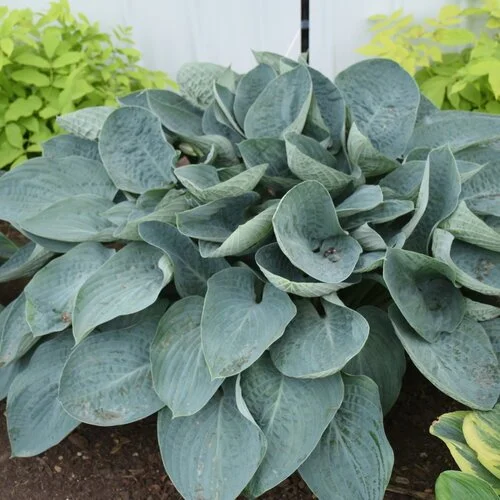
Hostas

hostas


You can’t talk about shade-loving plants that Connecticut yards thrive with without mentioning hostas. These classics come in dozens of varieties, from deep green to blue-gray to variegated white and lime.

They prefer partial to full shade and consistent moisture. Design tip: Mix large-leaf varieties with smaller ones for contrast. Just keep deer protection in mind, they’re fans.

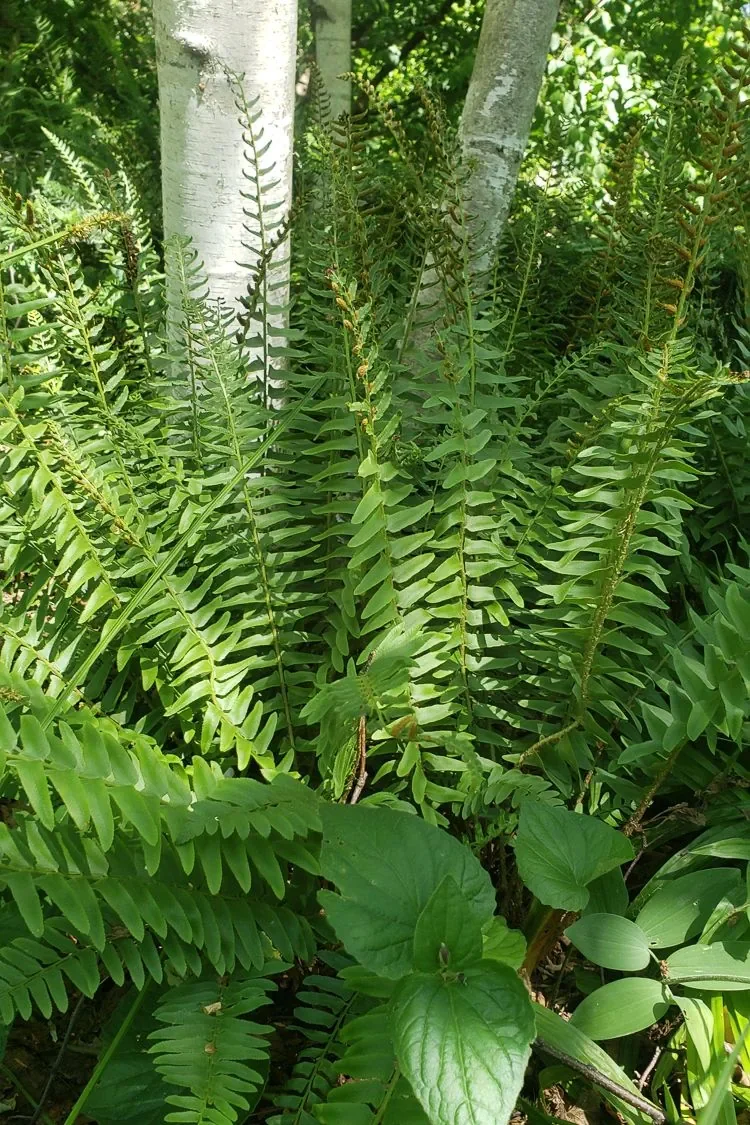
Christmas Fern (Polystichum acrostichoides)

christmas fern


This native evergreen fern adds year-round texture. It tolerates dry shade and tree root competition better than most plants. If you’re looking for native shade plants that gardens benefit from, this is a strong choice.

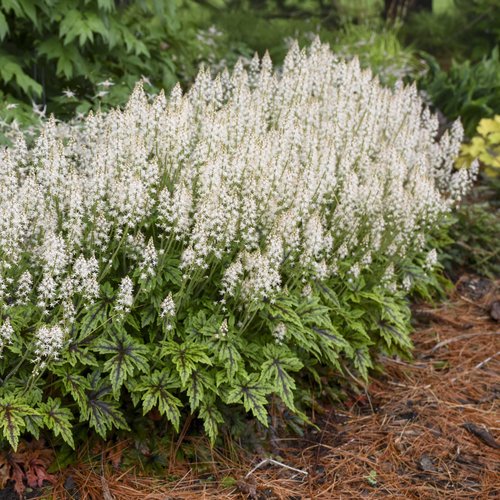
Foamflower (Tiarella)


A sweet spring bloomer with delicate white or pink flowers. Foamflower spreads gradually, making it ideal for covering soil under trees. It’s also deer-resistant, always a plus in Connecticut.

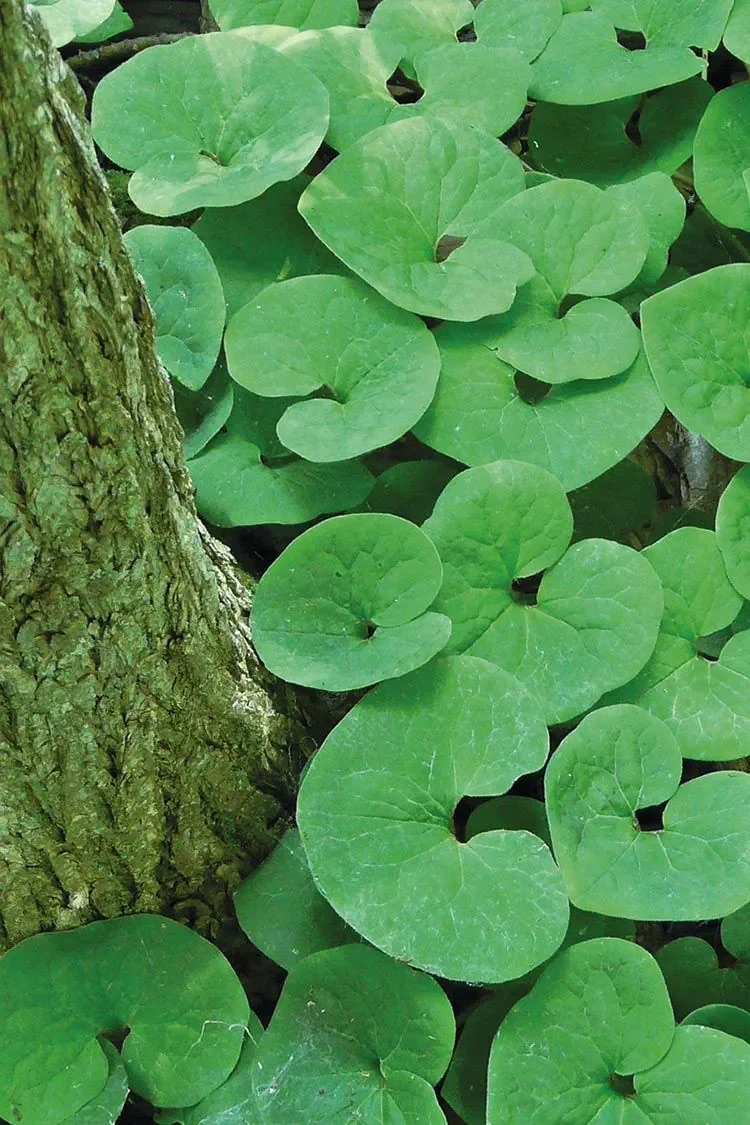
Wild Ginger (Asarum canadense)

wild ginger a.k.a asarum canadense

A beautiful native alternative to invasive groundcovers. Its heart-shaped leaves create a dense carpet in deep shade. It handles dry conditions surprisingly well once established.

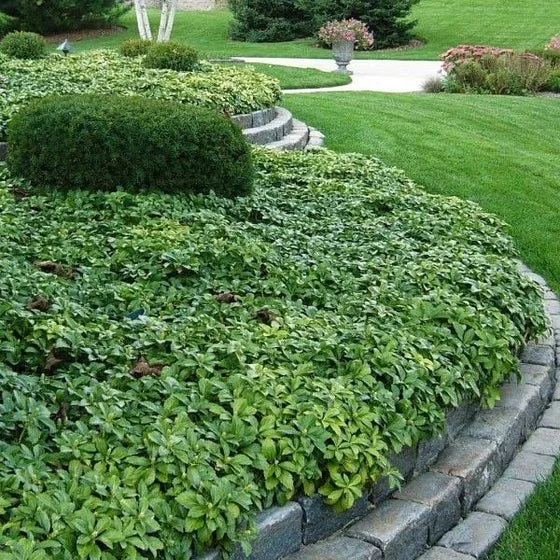
Pachysandra

Pachysandra

A traditional option that still has its place, especially for large shaded areas where low maintenance is key.

Shade Plant Selection by Light Level

  • Full Shade: Christmas Fern, Wild Ginger, Hostas

  • Partial Shade: Foamflower, Coral Bells, Astilbe

  • Moist Shade: Astilbe, Red Twig Dogwood

  • Dry Shade: Christmas Fern, Wild Ginger

Best Shrubs for Shaded Areas in Connecticut

Shrubs provide structure, height, and year-round interest, especially important in shade gardens.

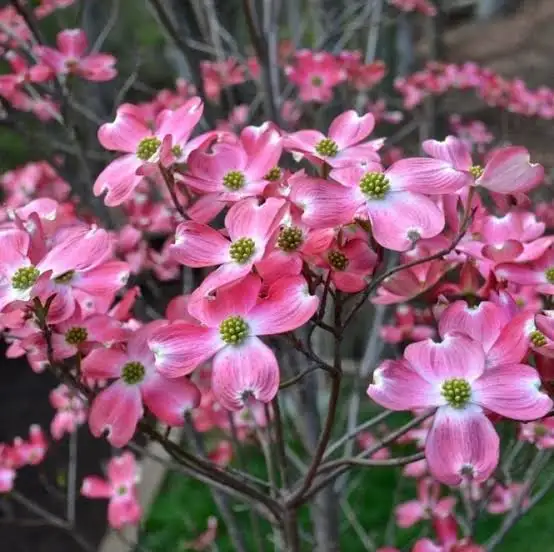
Flowering Dogwood (Cornus florida)

Flowering Dogwood (Cornus florida)

A native understory tree that handles partial shade beautifully. Spring blooms, summer foliage, and fall color make it a staple in shade garden design that Connecticut homeowners love.

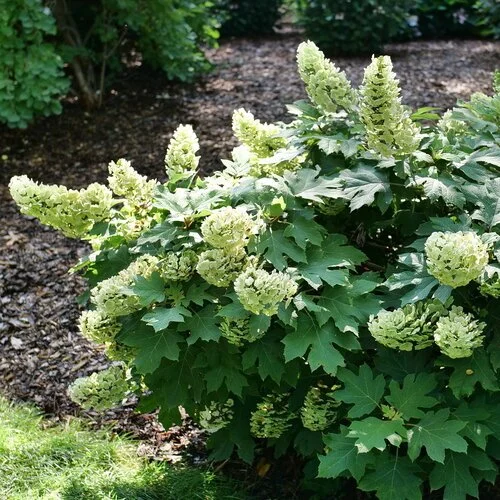
Hydrangeas (Oakleaf & Smooth)

oakleaf hydrangea


Oakleaf hydrangea tolerates partial shade and offers stunning fall color. Smooth hydrangea blooms reliably even with limited sun. Both are strong additions to plants for shady Connecticut landscapes.

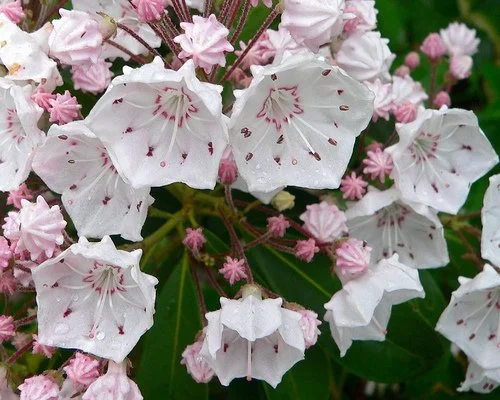
Mountain Laurel (Kalmia latifolia)

mountain laurel a.k.a kalmia latifolia


Connecticut’s state flower, and for good reason. It handles partial shade well and keeps its evergreen leaves all year.

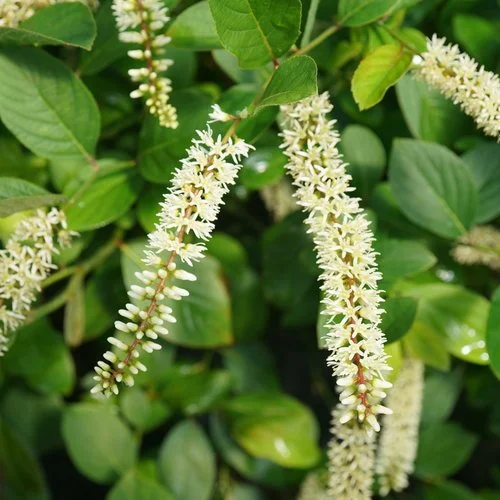
Sweetspire (Itea virginica)

sweetspire

Fragrant summer blooms and fiery fall color. It’s native, low-maintenance, and handles wet soil.

Red Twig Dogwood (Cornus sericea)

red-twig-dogwood

Adds winter interest with bright red stems. It tolerates wet shade and supports wildlife.

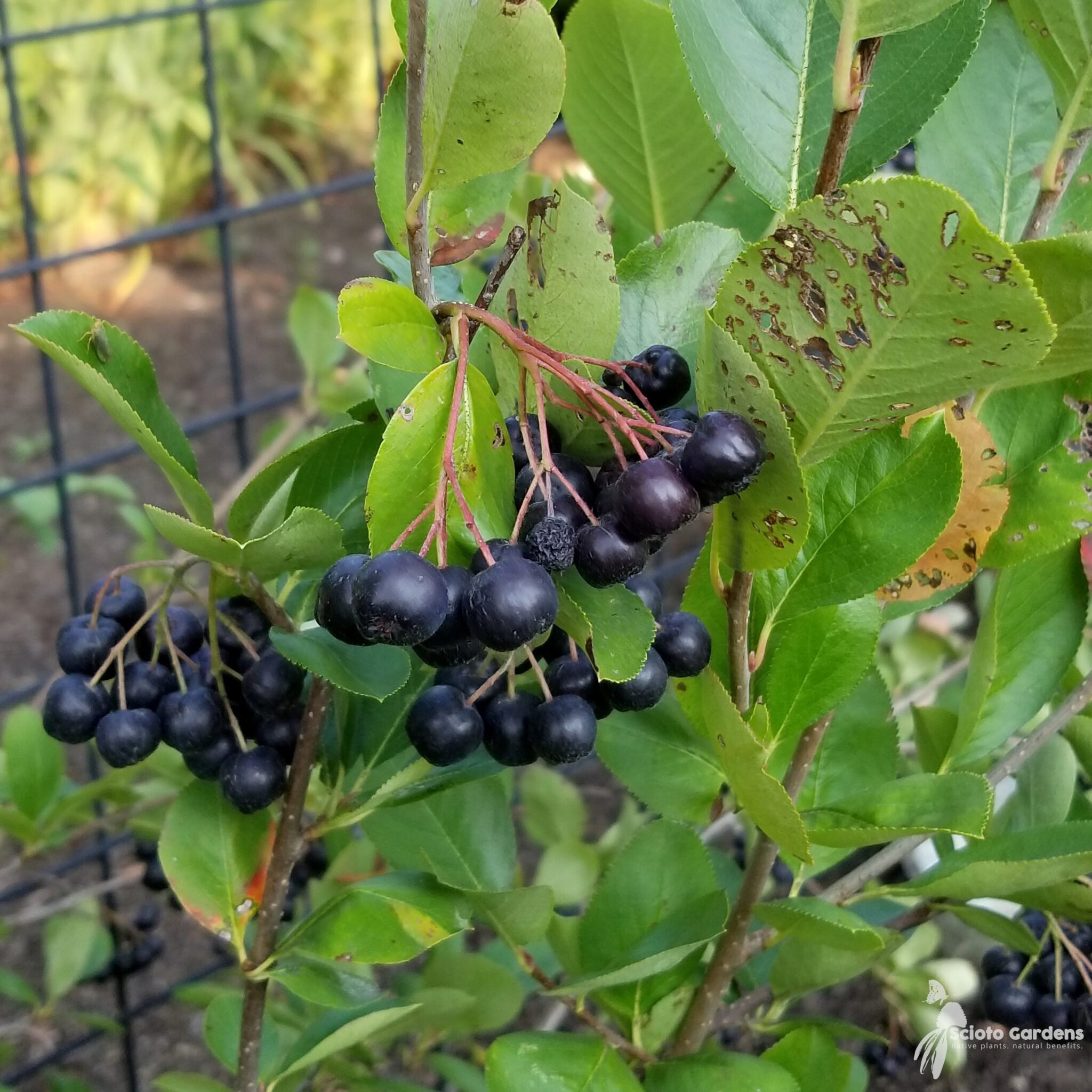
Chokeberry (Aronia)

Low maintenance and bird-friendly, with glossy foliage and beautiful fall color.

Native vs. Non-Native

Native shade plants Connecticut landscapes rely on are better adapted to local soil, climate, and wildlife. They often require less water and maintenance while supporting pollinators and birds.

That doesn’t mean non-natives are off-limits, but choosing native plants where possible makes your yard stronger and more resilient.

The Best Flowering Plants for Shady Spots in Connecticut

Shade doesn’t mean colorless. In fact, some of the most elegant blooms prefer softer light.

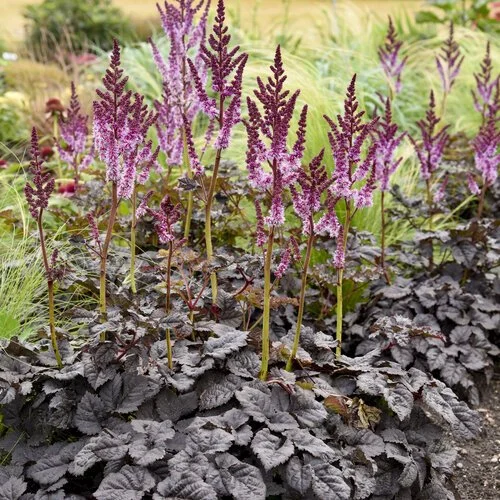
Astilbe

dark side of the moon astilbe hybrid

Feathery plumes in pink, red, or white. Perfect for moist shade and pairs beautifully with ferns.

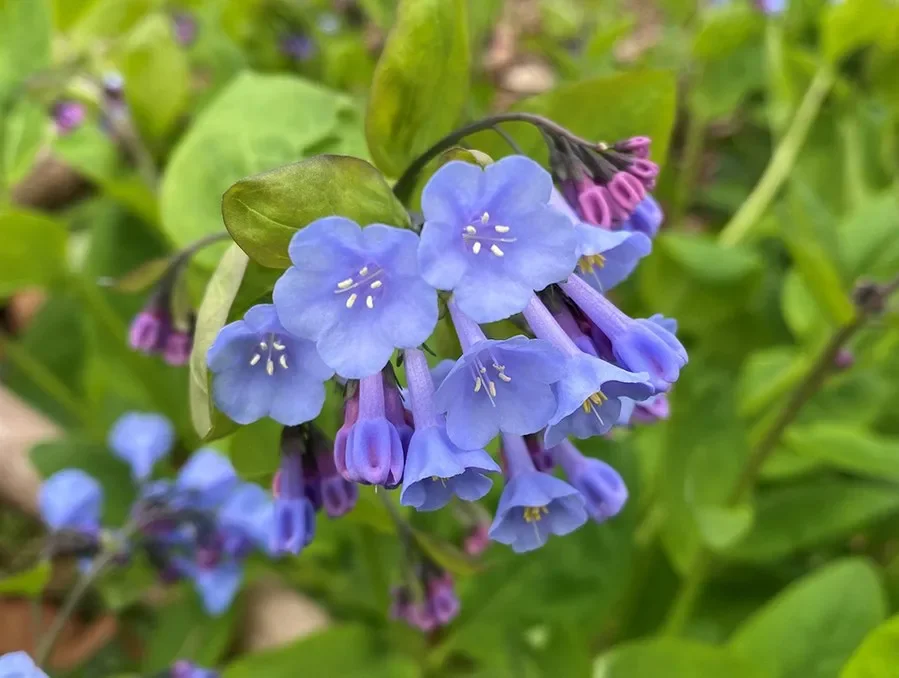
Virginia Bluebells

virginia bluebells

A spring favorite that naturalizes over time. Lovely tucked beneath trees.

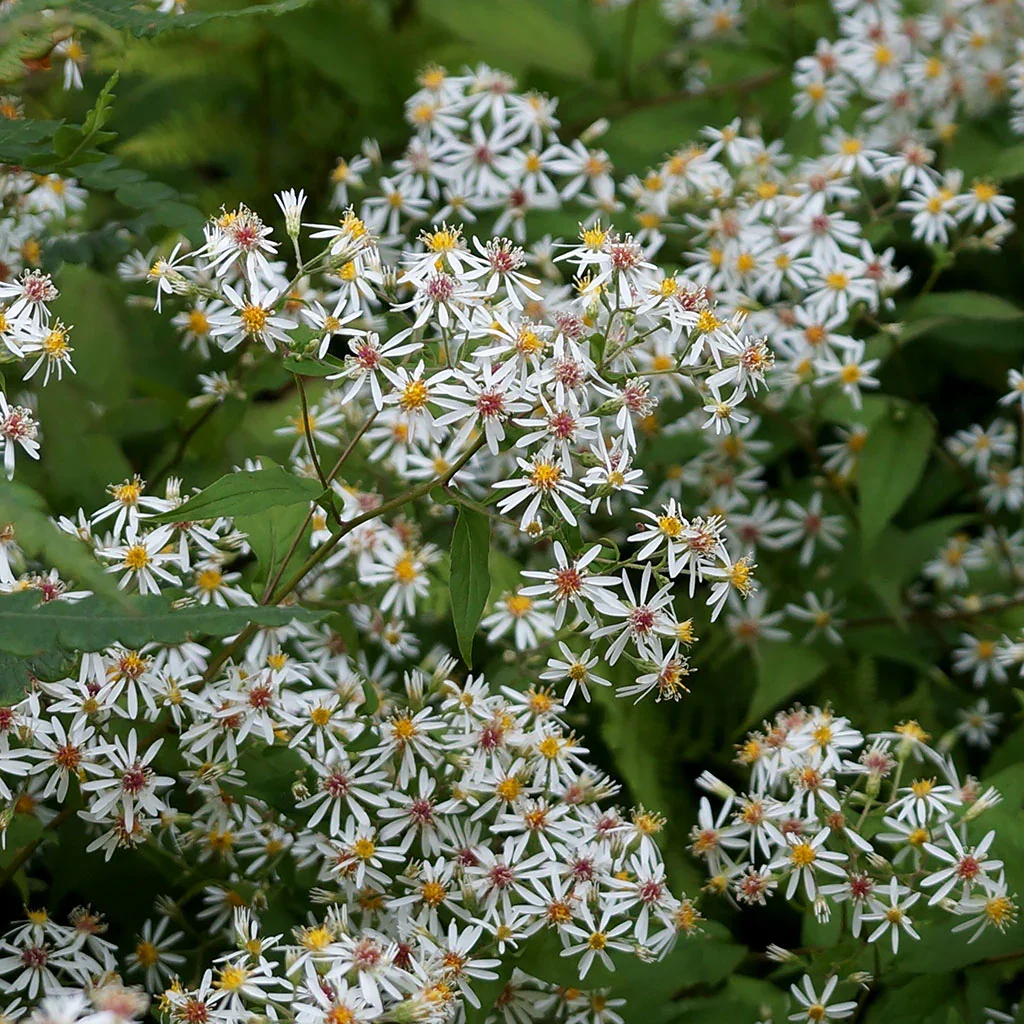
White Wood Aster

white wood aster

Late-season blooms that brighten fall gardens and support pollinators.

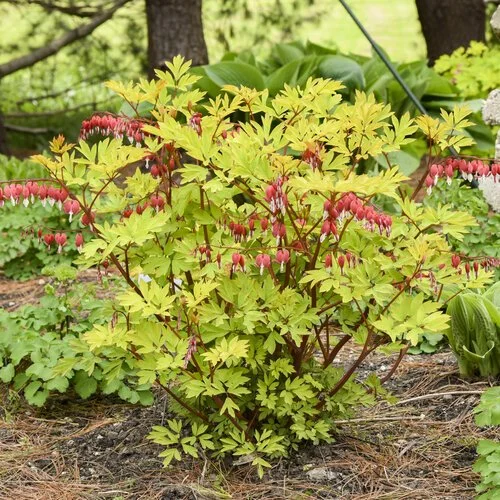
Bleeding Heart

bleeding heart plant

A classic for spring shade gardens. Its delicate heart-shaped flowers feel almost nostalgic.

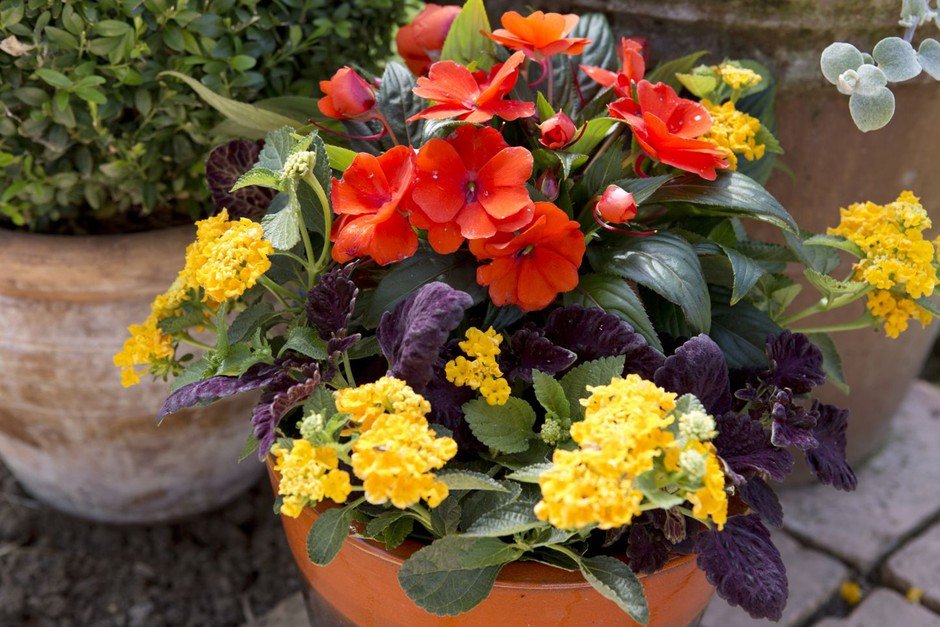
Coleus & Impatiens

coleus and impatiens

Annuals that bring season-long color. Great for containers or filling gaps.

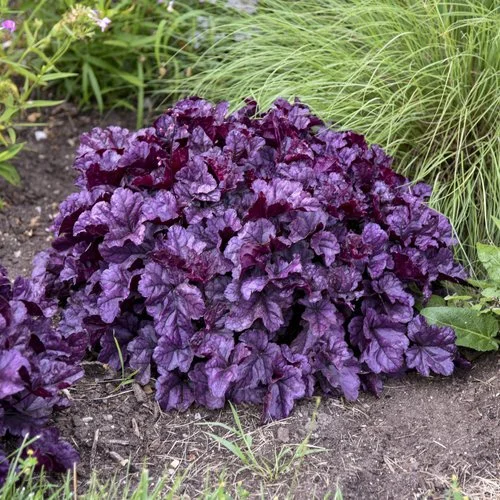
Coral Bells (Heuchera)

coral bells

Grown as much for foliage as flowers. Burgundy, lime, copper, you name it.

With thoughtful planning, you can stagger bloom times for continuous interest from early spring through fall.

Planting & Care Tips for Shade Gardens

Even the best shade perennials for Connecticut need a strong start.

Soil Preparation

Connecticut soil often benefits from compost to improve drainage and nutrient levels. Under trees, root competition is real; dig wide planting holes and amend generously.

Watering

Shade plants typically need less water, but newly planted shrubs still require consistent moisture. Avoid soggy soil.

Mulching

Apply 2–3 inches of mulch to retain moisture and reduce weeds. Keep it slightly away from stems.

Seasonal Maintenance

Spring cleanup helps prevent fungal issues. In fall, leave some seed heads for wildlife and cut back perennials after frost.

Dry shade can be tricky, especially under large maples. In those spots, lean on tough natives like ferns and wild ginger.

Shaded Yards Can Be Beautiful and Functional

A shady yard is an opportunity. With the right Connecticut landscape design, those low-light areas can feel cool, layered, and inviting.

At Birch Hill Landscape, we design and install shade gardens that thrive in Connecticut’s zones 5–6. From thoughtful plant selection to full shade garden installation, homeowners trust we help you make the most of every corner of your property.

Serving Avon, Farmington, West Hartford, and surrounding communities, we’d love to help you build a landscape that looks good and thrives.

Ready to get started? Let’s talk about your shade garden.

Drought-Resistant Plants Perfect for Connecticut Landscapes

If you’ve lived through a Connecticut summer lately, you’ve probably seen it firsthand: lawns turning crispy, garden beds looking tired, and that moment when you hesitate before turning on the hose because you know the water bill is coming.

We’ve all been there. You plant in spring with the best intentions, everything looks great in June… and then July hits. Rain becomes unpredictable, the soil dries out faster than expected, and suddenly your yard feels like it’s working against you.

Connecticut’s climate can be a bit of a wildcard. Between dry spells, rocky or sandy soil, and stretches of heat, it’s not always easy to keep a landscape thriving without constant attention.

With the right drought-tolerant plants, you can create a yard that holds its own even during dry stretches. One that looks full, colorful, and healthy without demanding constant watering or upkeep. A landscape that, in many ways, takes care of itself.

drought resistant plants for Connecticut landscapes

Why Drought-Resistant Plants Make Sense in CT

Drier summers aren’t just a one-off thing anymore. Over the past several years, Connecticut has seen more frequent periods of low rainfall and higher temperatures. That puts pressure on traditional lawns and high-maintenance plantings.

Choosing drought-resistant plants is a practical and smart shift.

For starters, they significantly reduce water usage. That means less time dragging hoses around and fewer spikes in your utility bill. It also supports a more sustainable landscape by conserving local water resources.

There’s also a big benefit for wildlife. Many drought-tolerant and native plants support pollinators like bees and butterflies, helping create a healthier local ecosystem.

And from a day-to-day standpoint? Less watering, less maintenance, fewer headaches. It’s a win across the board.

Considering long-term enhancements, this is directly linked to a carefully planned landscape design and installation that involves selecting plants that naturally complement your property.

Drought-Tolerant Annuals for Season-Long Color

If you still want that bright, colorful look in your yard, you don’t have to give it up. There are plenty of drought-tolerant flowers that thrive in Connecticut summers.

Take Portulaca, for example. It loves heat, handles dry soil like a champ, and produces vibrant blooms that open in the sun. Perfect for containers or sunny borders.

Zinnias are another favorite. They’re easy to grow, come in a wide range of colors, and hold up well during dry spells. Plus, pollinators love them.

Marigolds bring bold color and are incredibly forgiving. They’re great for edging beds or adding pops of color near walkways.

Lantana and Gomphrena both offer long-lasting blooms and thrive in full sun with minimal water.

In Connecticut yards, these annuals do especially well in:

  • Raised beds with good drainage

  • Containers on patios or entryways

  • Sloped areas where water tends to run off

Hardy Perennials That Come Back Year After Year

If you’re looking for long-term value, drought-tolerant perennials are where things really start to pay off.

  • Echinacea (Coneflower) is a standout. It’s tough, colorful, and attracts pollinators all season long.

  • Black-eyed Susans are another classic—bright yellow blooms that handle heat and dry soil with ease.

  • Salvia adds vertical interest and deep color, while also being highly drought-tolerant once established.

  • Sedum, especially varieties like ‘Autumn Joy,’ thrives in poor soil and requires very little water.

And then there’s Russian Sage, which brings soft purple tones and a light, airy texture that works beautifully in larger plant groupings.

Try pairing these for a layered look. It creates a full, natural feel without demanding constant care.

Drought-Tolerant Shrubs for Structure & Privacy

Shrubs are what give your landscape shape. Many options handle dry conditions extremely well.

  • Butterfly Bush brings vibrant blooms and attracts pollinators all summer.

  • Juniper is incredibly hardy and works well for ground cover or low hedging, especially in dry or sloped areas.

  • Spirea offers soft blooms and seasonal color, while staying low maintenance.

drought tolerant shrubs and bushes

If you’re looking for something native, Bayberry is a great choice. It tolerates poor soil and coastal conditions, making it ideal for many properties in Connecticut. Potentilla is another reliable option with long-lasting blooms and excellent drought tolerance.

These shrubs are especially useful along property lines, around foundations, or in areas where irrigation is limited..

Ornamental Grasses Low Water High Impact

Ornamental grasses are one of those elements that quietly do a lot of work in a landscape.

Little Bluestem and Switchgrass are native options that bring movement and seasonal color, from green in summer to warm tones in fall.

Karl Foerster Grass offers a more structured, upright look, while Blue Oat Grass adds a cool-toned contrast.

These grasses require very little water once established and hold their shape well, even through Connecticut winters.

They’re also great for:

  • Mass plantings

  • Softening edges

  • Helping with erosion control in sloped areas

If drainage is an issue on your property, combining grasses with solutions like those outlined in our drainage services can make a big difference.

Drought-Tolerant Trees for Long-Term Shade

Trees are a long-term investment, and choosing the right ones matters, especially in a climate with fluctuating rainfall.

  • Eastern Red Cedar is extremely tough and adapts well to dry conditions.

  • White Oak is a strong native option that supports wildlife and stands up well over time.

  • Serviceberry offers spring flowers, summer berries, and great fall color, all while handling moderate drought.

  • Honey Locust is another reliable choice, with a light canopy that allows some sun through while still providing shade.

When planting trees in Connecticut, it’s important to consider soil conditions and spacing. Giving roots room to establish early on makes all the difference down the line.

Setting Your Plants Up to Thrive

Even the toughest plants need a good start.

Connecticut soil can vary quite a bit. Some areas are rocky, others sandy, and some hold water more than you’d expect. Adding compost when planting helps improve structure and gives roots a better environment.

Mulching is one of the easiest ways to retain moisture. A 2–3 inch layer helps regulate soil temperature and reduces evaporation.

During the first growing season, regular watering is still important. Once plants are established, they’ll need far less attention, but those early weeks matter.

If your lawn has been struggling as well, it may be worth pairing plant upgrades with improvements such as lawn aeration, which helps the soil absorb water more effectively.

A Smarter Way to Landscape in Connecticut

A yard that constantly struggles through summer can be frustrating. But with the right approach, you can shift from high-maintenance to low-stress while still having a landscape you’re proud of.

Start small. Maybe it’s swapping out a few plants this season or adding a drought-tolerant bed where grass never seems to grow well. Over time, those changes add up.

At Birch Hill Landscape, we help homeowners across Connecticut design landscapes that work with the environment. From plant selection to full property planning, we’re here to make the process easier.

If you’re ready to rethink your yard, get in touch with our team. We’d be happy to help you build something that lasts.

8 Common Lawn Maintenance Mistakes Connecticut Residents Should Avoid

8 Common Lawn Maintenance Mistakes Connecticut Residents Should Avoid

We’ve all had moments where we thought we were doing right by our lawn... only to end up with dry patches, weeds, or grass that just doesn’t seem to thrive. Connecticut's mix of sun, shade, rocky soil, and seasonal mood swings makes lawn care trickier than it looks.

Here are 8 mistakes we see all the time, and what you can do instead to keep your lawn healthy, happy, and maybe even the best on the block.